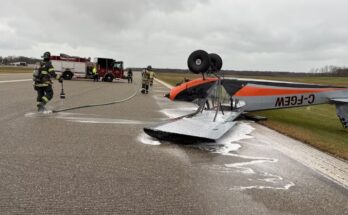
All five passengers died in the tourist helicopter crash.
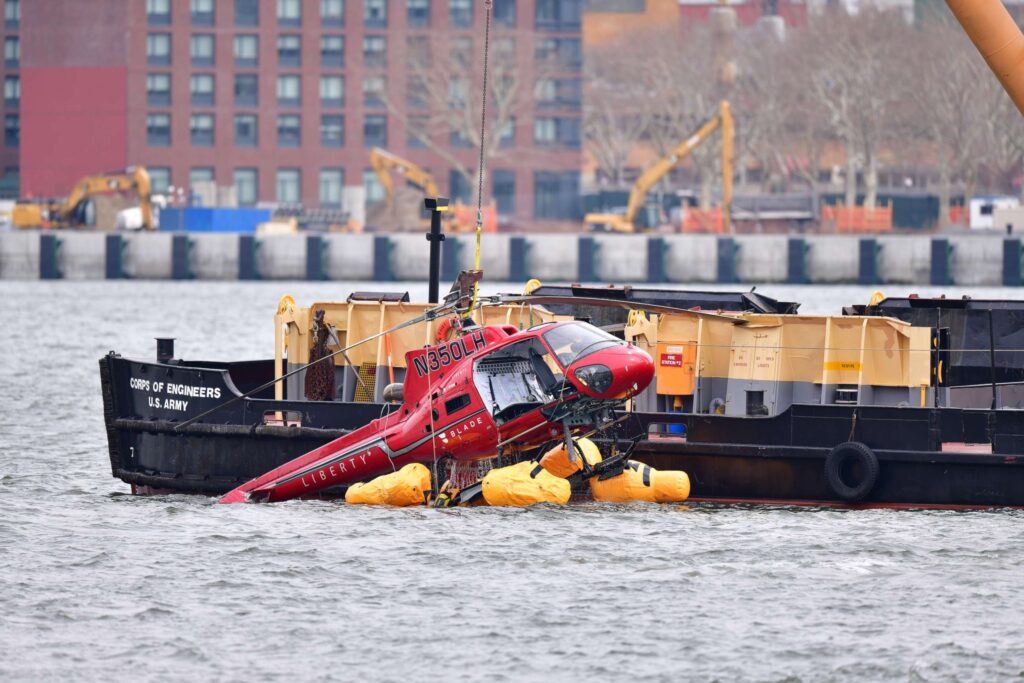
File photo of a helicopter being pulled from the East River on March 12, 2018, in New York City. Five people died after the helicopter made an emergency landing and flipped upside down trapping the passengers inside.
2018 New York City Helicopter Crash That Killed Five Was “Survivable” — Faulty Harnesses Trapped Passengers
The 2018 helicopter crash in New York City’s East River that killed all five passengers could have been survivable, federal investigators said Friday — if not for the faulty secondary harness system that left victims unable to escape the sinking aircraft.
In its final report, the National Transportation Safety Board (NTSB) concluded that the decision by Liberty Helicopters Inc. and NYONair to use locking carabiners and ineffective cutting tools as the primary release mechanism for passengers was both “inappropriate and unsafe.”
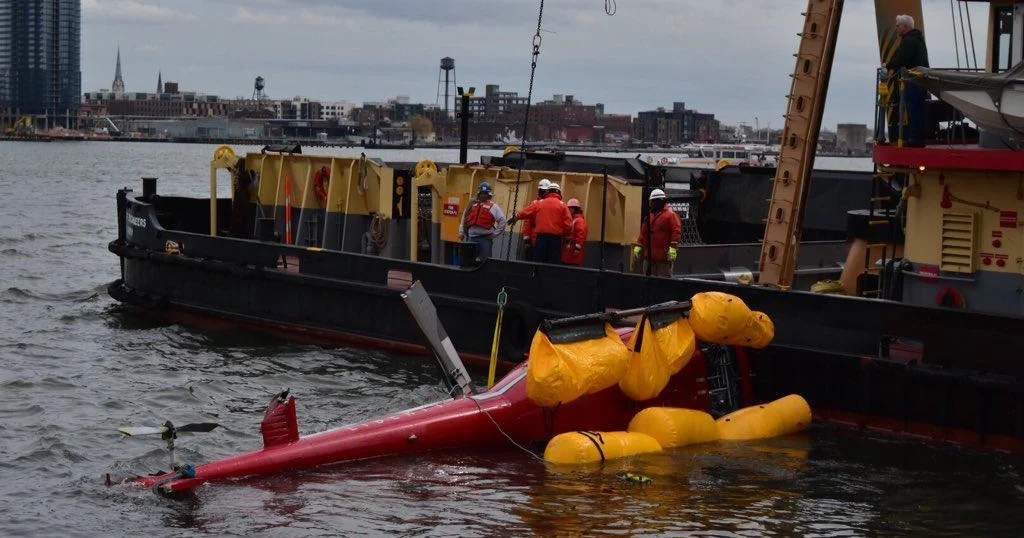
The doors-off tour flight plunged into the East River on March 11, 2018, after a passenger’s tether line snagged the fuel shutoff lever, cutting power to the engine and sending the aircraft into the water near Manhattan’s Upper East Side.
While the pilot, Richard Vance, managed to free himself and swim to safety, the five passengers — Daniel Thompson, 34, and Tristian Hill, 29, both of New York; Trevor Cadigan, 26, and Brian McDaniel, 26, both of Dallas; and Carla Vallejos-Blanco, 29, of Argentina — all drowned after being trapped inside the submerged helicopter.

Each passenger was wearing two restraints: a standard FAA-approved seatbelt, and an additional NYONair harness that tethered them to the aircraft for safety during the open-door flight. The NTSB said the secondary system, meant to enhance safety, instead became a deadly obstacle, leaving passengers with no quick way to release themselves in an emergency.
ABC News aviation analyst Steve Ganyard described the situation as “virtually impossible to survive” for those unfamiliar with the equipment. “The pilot knew what to do because he wears that harness every day,” Ganyard said. “But these poor civilians, out for a nice Sunday flight, encountered something that was very, very difficult to survive.”
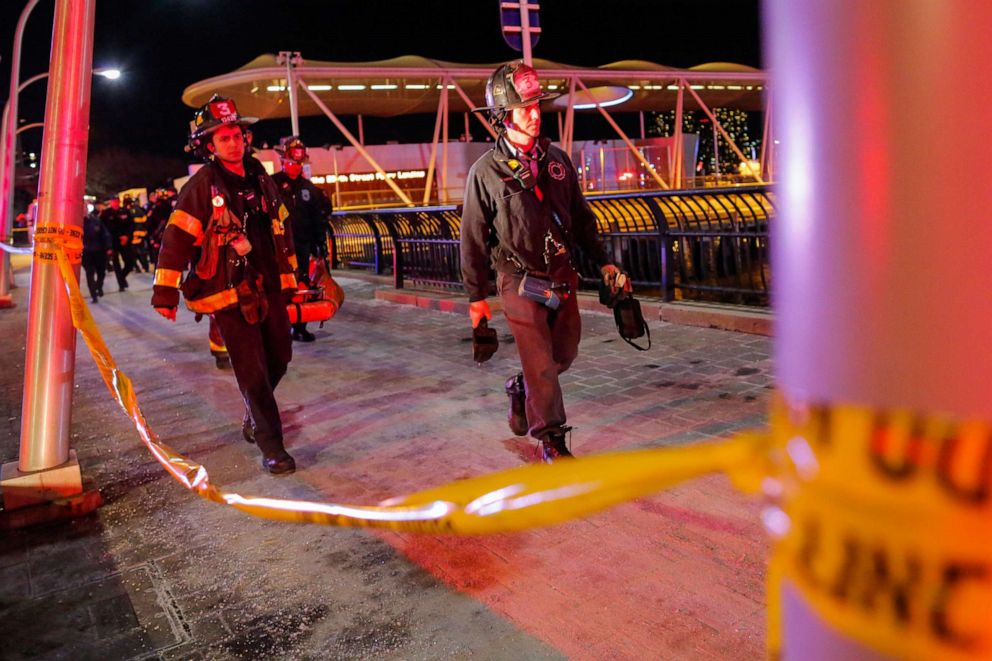
The NTSB also criticized the Federal Aviation Administration’s post-crash approval process for supplemental restraint systems, calling it “inadequate” because it fails to guide inspectors on potential entanglement risks or aircraft-specific configurations.
Liberty Helicopters declined to comment, citing ongoing litigation. The parents of Trevor Cadigan later filed a wrongful death lawsuit against the pilot, the company, and other operators, alleging negligence.
The crash — once seen as a freak accident — now stands as a sobering reminder of how small design choices and lapses in safety oversight can turn an otherwise survivable emergency into a catastrophic tragedy.